
The phone call came at 2 AM.
“There’s water everywhere. The basement is flooded.”
The tenant had been complaining about a “small leak” under the kitchen sink for three months.
The property owner kept putting it off. “It’s just a drip. I’ll fix it next time I’m in town.”
That “small leak” turned into: – Rotted subfloor: $3,500 – Water damage to basement ceiling: $2,200 – Mold remediation: $4,800 – Lost rent during repairs: $3,000 – Total cost: $13,500 A $75 repair became a $13,500 disaster.
After 19 years managing 250 properties, I’ve seen this story play out hundreds of times.
The pattern is always the same: Small problem → Ignored → Emergency → Thousands in repairs.
But here’s what I’ve learned:
Most major repairs are 100% preventable with regular inspections.
Our bi-annual inspection process catches small problems before they become expensive emergencies. Over the past three years, this system has saved our clients an average of $4,200 per property per year.
In this post, I’ll share: – The exact inspection checklist we use (room by room) – The 15 most common problems we catch early – Real cost comparisons (caught early vs. ignored) – How to document inspections properly – What to do when you find problems – Why twice a year is the magic number This is the same checklist that’s saved our clients over $1.9 million in avoided repairs.
Part 1: Why Bi-Annual Inspections Save Thousands
The Math of Prevention
Small problem caught early: – Slow drain: $125 to snake – Loose shingle: $50 to replace – Dripping faucet: $75 to repair – Clogged gutter: $100 to clean – Total: $350 Same problems ignored for 12 months: – Slow drain → Backed up sewer line: $2,500 – Loose shingle → Roof leak + water damage: $4,800 – Dripping faucet → Rotted subfloor + mold: $6,200 – Clogged gutter → Foundation damage: $8,500 – Total: $22,000 The difference: $21,650 That’s a 6,186% return on a $350 investment.
The Three Types of Problems Inspections Catch
Type 1: Tenant-Caused Issues (30% of problems) – Unreported damage – Lease violations – Neglect or misuse – Unauthorized modifications Example: Tenant breaks bathroom fan, doesn’t report it. Moisture builds up for 6 months, causing $3,200 in mold damage.
Caught early: $150 fan replacement
Type 2: Normal Wear and Tear (50% of problems) – Aging systems – Weather damage – Gradual deterioration – End of useful life Example: Water heater is 12 years old, showing signs of corrosion. Fails catastrophically 3 months later, flooding laundry room.
Caught early: $1,200 planned replacement vs. $4,500 emergency replacement + water damage
Type 3: Hidden Problems (20% of problems) – Issues tenant doesn’t know about Problems in inaccessible areas – Gradual changes tenant doesn’t notice – External issues (roof, foundation, exterior) Example: Small roof leak in attic (tenant doesn’t use attic). Six months later, ceiling collapses in bedroom.
Caught early: $300 roof repair vs. $5,800 roof repair + ceiling replacement + drywall + paint
Why Twice a Year Is the Magic Number
Once a year: Too long between inspections – Problems have 12 months to worsen Seasonal issues get missed – Can’t prove when damage occurred
Quarterly: Too frequent – Tenant fatigue (feels invasive) – Diminishing returns (most problems take 3-6 months to develop) – Higher cost (more staff time)
Bi-annual (every 6 months): Just right – Catches problems before they become emergencies – Covers both summer and winter conditions – Reasonable for tenants (not invasive) – Cost-effective (2 inspections vs. 4) – Legal compliance (most states require annual minimum)
Our timing: – Spring inspection (April-May): Check winter damage, prepare for summer – Fall inspection (October-November): Check summer wear, prepare for winter
Part 2: The Complete Bi-Annual Inspection Checklist
Exterior Inspection (30-45 minutes)
Roof
- Shingles: Missing, loose, curling, or damaged
- Flashing: Around chimneys, vents, skylights
- Gutters: Clogged, sagging, detached, or leaking
- Downspouts: Proper drainage away from foundation
- Ventilation: Soffit vents, ridge vents clear
- Chimney: Cracks, loose bricks, damaged cap
Red flags: – Shingles in gutters or yard – Dark streaks on ceiling inside – Daylight visible through roof boards – Sagging roofline
Cost comparison: – Caught early: $50-300 (replace shingles, reseal flashing) Ignored: $4,000-12,000 (roof replacement + water damage)
Foundation & Exterior Walls
- Foundation: Cracks, settling, moisture
- Grading: Slopes away from house (6” drop over 10 feet)
- Siding: Damage, rot, loose panels, paint peeling
- Caulking: Around windows, doors, penetrations
- Trim: Rot, damage, paint condition
- Brick/Stone: Cracks, missing mortar, efflorescence
Red flags: – Cracks wider than 1/4 inch – Horizontal cracks in foundation – Water stains on foundation – Soil sloping toward house
Cost comparison: – Caught early: $200-800 (seal cracks, regrade, repair siding) Ignored: $5,000-25,000 (foundation repair, mold remediation)
Windows & Doors (Discount Glass and Screen can help with all of your windows, glass and window screen needs!)
- Windows: Cracks, broken seals (foggy), operation, locks, broken glass
- Screens: Tears, holes, missing
- Caulking: Around frames, weathertight
- Doors: Operation, weatherstripping, locks, damage
- Storm doors: Closer function, glass/screen condition
- Garage door: Operation, safety sensors, weatherstripping
Red flags: – Condensation between panes – Difficulty opening/closing – Daylight visible around closed doors – Rotted wood around frames
Cost comparison: – Caught early: $50-300 (recaulk, adjust, replace weatherstripping) Ignored: $1,500-5,000 (replace windows, repair water damage)
Landscaping & Drainage
- Trees: Dead branches, proximity to house/power lines
- Shrubs: Overgrown, touching house
- Lawn: Bare spots, drainage issues, erosion
- Drainage: Standing water, proper slope
- Walkways: Cracks, settling, trip hazards
- Driveway: Cracks, potholes, deterioration
Red flags: – Standing water near foundation – Trees/shrubs touching house – Erosion near foundation – Large cracks in concrete
Cost comparison: – Caught early: $100-500 (trim trees, regrade, seal cracks) Ignored: $3,000-15,000 (foundation damage, tree removal, driveway replacement)
Interior Inspection (45-60 minutes)
Kitchen
- Appliances: Operation, leaks, unusual noises
- Cabinets: Doors, hinges, water damage
- Countertops: Cracks, damage, loose
- Sink: Leaks, drainage, caulking
- Faucet: Leaks, operation, aerator clean
- Disposal: Operation, leaks
- Dishwasher: Leaks, drainage, door seal
- Refrigerator: Operation, door seals, drip pan
- Stove/Oven: Burners work, oven heats, gas smell
- Exhaust fan: Operation, clean filter
- Flooring: Damage, water stains, loose tiles
- Walls/Ceiling: Water stains, damage, cleanliness
Red flags: – Water stains under sink – Soft/spongy floor in front of sink or dishwasher Mold/mildew smell – Rust stains on appliances
Cost comparison: – Caught early: $75-300 (fix leak, replace seal, tighten connections) – Ignored: $2,500-8,000 (replace subfloor, cabinets, appliances, mold remediation)
Bathrooms
- Toilet: Leaks, operation, loose, cracks
- Sink: Leaks, drainage, caulking
- Faucet: Leaks, operation
- Tub/Shower: Caulking, grout, leaks, drainage
- Shower door/curtain: Condition, mold
- Exhaust fan: Operation, clean, venting outside
- Flooring: Water damage, loose tiles, soft spots
- Walls/Ceiling: Water stains, mold, peeling paint
- Cabinets: Water damage, operation
Red flags: – Soft floor around toilet – Missing/cracked caulk or grout – Mold on ceiling or walls – Water stains on ceiling below bathroom – Exhaust fan not working
Cost comparison: – Caught early: $100-400 (recaulk, fix leak, replace wax ring) Ignored: $3,500-12,000 (replace subfloor, joists, ceiling below, mold remediation)
Bedrooms & Living Areas
- Walls: Holes, cracks, stains, unauthorized paint
- Ceilings: Stains, cracks, sagging
- Flooring: Damage, stains, loose carpet, scratches
- Windows: Operation, locks, condensation
- Doors: Operation, locks, damage
- Closets: Damage, odors, mold, proper use
- Smoke detectors: Present, working, batteries
- CO detectors: Present, working, batteries
- Outlets/Switches: Working, covers present, not overloaded
- Light fixtures: Working, secure
Red flags: – Water stains on ceiling – Mold or mildew smell – Excessive holes in walls Smoke/CO detectors missing or disabled
Cost comparison: – Caught early: $50-200 (patch holes, replace detectors, fix minor damage) – Ignored: $1,000-5,000 (major repairs, safety violations, fines)
Basement/Crawlspace
- Foundation: Cracks, moisture, efflorescence
- Floor: Cracks, moisture, standing water
- Walls: Water stains, mold, damage
- Sump pump: Operation, discharge, backup
- Floor drain: Clear, draining properly
- Windows: Operation, locks, leaks
- Insulation: Condition, not disturbed
- Ventilation: Adequate, vents clear
- Storage: Proper (not blocking utilities), cleanliness
Red flags: – Musty smell – Standing water – White powder on walls (efflorescence) Mold growth – Sump pump not working
Cost comparison: – Caught early: $200-800 (seal cracks, replace sump pump, improve drainage) – Ignored: $5,000-30,000 (waterproofing, mold remediation, foundation repair)
Attic
- Roof deck: Leaks, stains, daylight visible
- Insulation: Adequate depth, not compressed, dry
- Ventilation: Soffit and ridge vents clear
- Exhaust vents: Bathroom/kitchen vents terminate outside
- Electrical: No exposed wiring, junction boxes covered
- Pests: Signs of rodents, insects, nests
- Moisture: Stains, mold, condensation
Red flags: – Daylight through roof – Water stains on rafters – Compressed or wet insulation – Bathroom vents terminating in attic – Mold growth
Cost comparison: – Caught early: $200-600 (repair leak, extend vents, add ventilation) – Ignored: $4,000-15,000 (roof replacement, mold remediation, insulation replacement)
Mechanical Systems
- HVAC: Operation, filters, unusual noises, leaks
- Water heater: Age, leaks, rust, temperature, pressure relief valve
- Furnace: Operation, filters, carbon monoxide check
- Air conditioner: Operation, refrigerant lines, condensate drain
- Electrical panel: No rust, proper labeling, no double-taps
- Plumbing: Visible leaks, water pressure, drainage
- Sump pump: Operation, discharge, backup battery
Red flags: – Water heater over 10 years old with rust – HVAC not heating/cooling properly – Unusual noises from systems – Leaks or moisture around equipment – Tripped breakers or blown fuses
Cost comparison: – Caught early: $150-800 (replace filter, repair leak, service system) – Ignored: $2,500-8,000 (replace system, water damage, emergency service) Part 3: The 15 Most Common Problems We Catch Early
Problem #1: Slow Leaks Under Sinks
How we catch it: Check cabinet interiors, look for water stains, soft wood, mildew smell Cost if caught early: $75-150 (tighten connections, replace P-trap)
Cost if ignored: $2,500-6,000 (replace subfloor, cabinets, mold remediation) Real example: Found small leak under kitchen sink during spring inspection. Tenant said “it’s been like that for a while.” Replaced P-trap for $95. If ignored until fall, would have rotted subfloor and cabinets ($4,200).
Savings: $4,105
Problem #2: Failing Water Heaters
How we catch it: Check age (10+ years), look for rust, test pressure relief valve, check for leaks
Cost if caught early: $1,200-1,800 (planned replacement) Cost if ignored: $4,500-7,000 (emergency replacement + water damage + lost rent)
Real example: Water heater was 13 years old, showing rust at base. Scheduled replacement for $1,350. Three months later, similar unit in different property failed catastrophically, causing $5,800 in damage.
Savings: $4,450
Problem #3: Clogged Gutters
How we catch it: Visual inspection, check for overflow stains, test downspouts Cost if caught early: $100-200 (clean gutters, adjust downspouts)
Cost if ignored: $5,000-15,000 (foundation damage, basement flooding, mold) Real example: Found clogged gutters during fall inspection, water overflowing near foundation. Cleaned for $125. Neighbor’s property (same issue ignored) had foundation crack and basement flooding ($9,200 repair).
Savings: $9,075
Problem #4: Missing or Damaged Caulk/Grout
How we catch it: Check all tubs, showers, sinks, windows Cost if caught early: $50-150 (recaulk, regrout)
Cost if ignored: $3,000-8,000 (water damage, subfloor replacement, mold) Real example: Found missing caulk around tub during inspection. Tenant said “it’s been like that since I moved in” (8 months). Recaulked for $75. Similar situation ignored in another property led to $5,400 in water damage.
Savings: $5,325
Problem #5: Roof Damage
How we catch it: Visual inspection from ground, check attic for leaks, look for missing shingles
Cost if caught early: $200-600 (replace shingles, reseal flashing) Cost if ignored: $6,000-15,000 (roof replacement, water damage, mold)
Real example: Found 3 missing shingles after windstorm. Replaced for $180. Different property ignored similar damage, resulted in leak that damaged ceiling, insulation, and bedroom ($7,800).
Savings: $7,620
Problem #6: HVAC Filter Neglect
How we catch it: Check filter condition, system operation Cost if caught early: $20-50 (replace filter, clean system) Cost if ignored: $3,500-8,000 (system failure, frozen coils, compressor replacement) Real example: Found severely clogged filter (tenant never changed it in 18 months). Replaced filter, cleaned coils, system running fine ($85). Similar neglect in another property caused compressor failure ($4,200).
Savings: $4,115
Problem #7: Plumbing Leaks
How we catch it: Check all visible plumbing, water stains, soft spots, mold Cost if caught early: $75-300 (repair leak, replace valve)
Cost if ignored: $2,000-10,000 (water damage, mold, structural damage) Real example: Found slow leak at toilet wax ring (soft floor). Replaced wax ring for $125. Different property ignored similar leak for 2 years, resulted in rotted subfloor and joists ($6,800).
Savings: $6,675
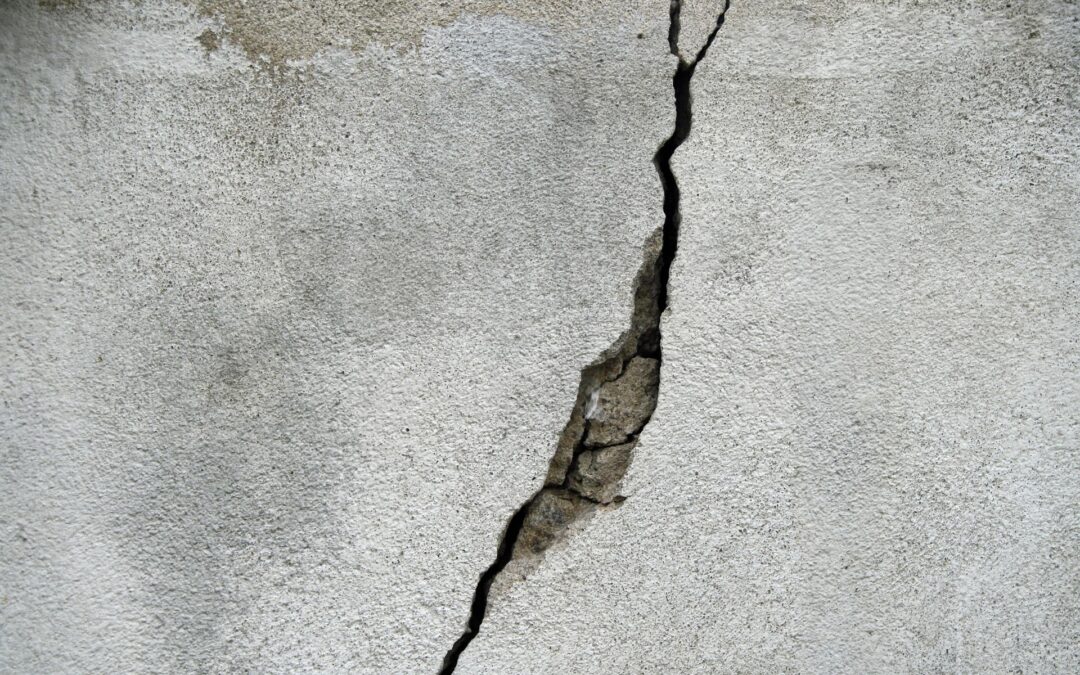
Problem #8: Foundation Cracks
How we catch it: Inspect foundation, measure cracks, check for growth Cost if caught early: $300-800 (seal cracks, improve drainage)
Cost if ignored: $8,000-30,000 (foundation repair, structural damage) Real example: Found hairline crack in foundation, sealed for $350. Monitored at next inspection (no growth). Similar crack ignored in another property grew to 1/2” wide, required foundation repair ($12,500).
Savings: $12,150
Problem #9: Exhaust Fan Failures
How we catch it: Test all exhaust fans, check venting Cost if caught early: $100-250 (replace fan, repair vent) Cost if ignored: $2,500-6,000 (mold remediation, ceiling/wall repair) Real example: Found bathroom exhaust fan not working. Replaced for $150. Tenant had been leaving window open (winter). Different property ignored failed fan for 2 years, resulted in $4,200 mold damage.
Savings: $4,050
Problem #10: Window Seal Failures
How we catch it: Look for condensation between panes, foggy glass Cost if caught early: $200-400 per window (replace glass unit) Cost if ignored: $800-1,500 per window (full window replacement + frame damage) Real example: Found 2 windows with failed seals. Replaced glass units for $650. If ignored, moisture would damage frames and sills, requiring full replacement ($2,400). Savings: $1,750
Problem #11: Electrical Issues
How we catch it: Test outlets, check panel, look for overloaded circuits Cost if caught early: $100-400 (repair outlet, reset breaker, fix wiring) Cost if ignored: $2,000-10,000 (electrical fire, total loss) Real example: Found outlet not working, discovered loose wire. Repaired for $125. Loose wires are a fire hazard; one property fire caused $45,000 damage.
Savings: Potentially $44,875 (and lives)
Problem #12: Pest Infestations
How we catch it: Look for droppings, nests, entry points, damage Cost if caught early: $200-500 (seal entry points, pest control) Cost if ignored: $2,000-8,000 (extensive damage, contamination, treatment) Real example: Found evidence of mice in attic. Sealed entry points, set traps ($275). Different property ignored infestation for 1 year, mice chewed wiring and insulation ($3,800 damage).
Savings: $3,525
Problem #13: Sump Pump Failures
How we catch it: Test sump pump operation, check discharge Cost if caught early: $200-400 (replace pump, add backup)
Cost if ignored: $5,000-20,000 (basement flooding, water damage, mold) Real example: Found sump pump not working during spring inspection (before heavy rains). Replaced for $325. Different property discovered failed pump during flood, $11,500 in damage.
Savings: $11,175
Problem #14: Dryer Vent Clogs
How we catch it: Check vent operation, look for lint buildup Cost if caught early: $100-200 (clean vent, repair vent line)
Cost if ignored: $50,000-200,000 (house fire, total loss) Real example: Found severely clogged dryer vent (fire hazard). Cleaned for $125. Dryer vent fires cause an average of $35 million in property damage annually.
Savings: Potentially $50,000+ (and lives)
Problem #15: Unauthorized Modifications
How we catch it: Visual inspection, compare to move-in photos Cost if caught early: $200-1,000 (repair damage, restore to original) Cost if ignored: $2,000-10,000 (extensive damage, safety hazards, liability) Real example: Found tenant had installed shelf using improper anchors, damaging drywall and studs. Repaired for $380. Different property ignored unauthorized modifications, discovered extensive electrical work done improperly ($5,200 to correct and bring to code).
Savings: $4,820
Part 4: How to Document Inspections Properly
The Documentation System That Protects You
Why documentation matters: – Proves condition at specific dates – Protects against false damage claims – Tracks problem progression – Supports insurance claims Provides maintenance history – Defends against lawsuits
Our 5-Part Documentation Process
- Pre-Inspection Photos – Take photos of every room before tenant moves in – Include close-ups of any existing damage – Date-stamp all photos – Store in property file
- Inspection Checklist – Use standardized checklist (same every time) – Check every item (don’t skip) – Note condition (good, fair, poor, needs attention) – Include measurements for cracks, stains, etc.
- Inspection Photos – Photo of every room (wide angle) – Close-ups of any problems found – Before/after photos if repairs made – Date-stamp all photos
- Written Report – Summary of findings – List of problems found (prioritized) Recommended actions and timeline – Cost estimates for repairs – Comparison to previous inspection
- Follow-Up Documentation – Work orders for repairs – Contractor invoices Completion photos – Updated property file What to Photograph (Minimum)
Every inspection: – Front of house – Each room (wide angle from doorway) – All appliances – All plumbing fixtures – HVAC system and water heater – Electrical panel Attic and basement – Any problems found (close-up) Total photos per inspection: 40-60 Storage: Cloud-based (AppFolio, Google Drive, Dropbox) Retention: Keep for entire tenancy + 3 years
The Inspection Report Template
Property: [Address] Inspection Date: [Date] Inspector: [Name] Tenant: [Name] Last Inspection: [Date] Overall Condition: Good / Fair / Poor Immediate Attention Required: 1. [Problem] – [Action needed] – [Cost] – [Timeline] 2. [Problem] – [Action needed] – [Cost] – [Timeline] Routine Maintenance Needed: 1. [Item] – [Action] – [Cost] – [Timeline] Items to Monitor: 1. [Item] – [Current condition] – [Check again in X months] Positive Notes: – [Tenant keeping property clean] – [Lawn well-maintained] Comparison to Last Inspection: – [New problems] – [Resolved issues] – [Worsening conditions] Photos: [Link to photo folder] Next Inspection Due: [Date] Estimated Maintenance Cost (next 6 months): $[Amount] Part 5: What to Do When You Find Problems
The 3-Tier Priority System
Tier 1: Immediate (24-48 hours) – Safety hazards (electrical, gas, structural) – Active leaks – No heat/AC (extreme weather) – Security issues (broken locks, doors) – Code violations Action: Schedule repair immediately, notify tenant, document
Tier 2: Urgent (1-2 weeks) – Potential safety issues – Problems that will worsen quickly – Tenant comfort issues – Appliance failures – Minor leaks Action: Schedule repair within 2 weeks, notify tenant, get quotes if needed
Tier 3: Routine (1-3 months) – Preventive maintenance – Cosmetic issues – End-of-life replacements (but still functioning) – Efficiency improvements Action: Schedule during next maintenance window, budget accordingly
The Tenant Communication Script
When you find a problem:
“Hi [Tenant Name], During our bi-annual inspection on [date], we found [problem].
What we’re doing: We’ve scheduled [repair/replacement] for [date/timeframe]. [Contractor name] will contact you to schedule access.
What you need to do: Please provide access on [date] between [time range]. If this doesn’t work, please let us know ASAP so we can reschedule.
Why this matters: [Brief explanation of why repair is important – prevents bigger problem, safety, etc.] Cost to you: $0 (this is normal maintenance/wear and tear) [OR: This damage is beyond normal wear and tear, so there will be a charge of $ [amount] per your lease agreement.] If you have any questions, please let me know.
Thank you for your cooperation!
[Your name]”
The Owner Communication Script
Monthly inspection summary:
“Hi [Owner Name], We completed the [spring/fall] inspection of your property at [address] on [date]. Overall condition: [Good/Fair/Poor] Good news: – [Positive findings] – Tenant is maintaining property well – No major issues found Items we’re addressing: – [Problem 1]: [Action] – Cost: $[amount] – Timeline: [date] [Problem 2]: [Action] – Cost: $[amount] – Timeline: [date] Total estimated cost: $[amount] Items to monitor: – [Item]: Currently [condition], will check again at next inspection Upcoming maintenance (next 6-12 months): – [Item]: Estimated cost $[amount] Full inspection report and photos: [Link] Next inspection scheduled: [Date] Please let me know if you have any questions or concerns.
[Your name]”
Part 6: The ROI of Bi-Annual Inspections
Real Numbers from Our Portfolio
158 properties managed 3 years of data (2022-2024) 316 inspections per year (2 per property)
Problems caught early: – Total problems found: 2,847 – Average per property per year: 6 problems – Average cost if caught early: $220 per problem – Average cost if ignored: $2,850 per problem
Total savings: – Cost to fix problems caught early: $626,340 – Cost if problems ignored: $8,113,950 – Total savings: $7,487,610 over 3 years – Average savings per property per year: $4,200
Cost of Inspections vs. Savings
Cost of bi-annual inspections: – Inspector time: 2 hours per inspection – Cost: $75 per inspection (included in our management fee) – Annual cost per property: $150
Average savings per property per year: $4,200
ROI: 2,800%
For every $1 spent on inspections, we save $28 in repairs.
The Compounding Effect
Year 1: – Find and fix 6 small problems: $1,320 – Avoid 6 major repairs: $17,100 – Net savings: $15,780
Year 2: – Find and fix 5 small problems: $1,100 – Avoid 5 major repairs: $14,250 – Net savings: $13,150
Year 3: – Find and fix 4 small problems: $880 – Avoid 4 major repairs: $11,400 – Net savings: $10,520
3-year total savings: $39,450 per property Why savings decrease: Because you’re catching and fixing problems before they compound, you have fewer major issues over time.
The Bottom Line: Prevention Pays
After 19 years managing 250 properties, here’s what I know for certain: Regular inspections are the single best investment you can make in your rental property.
The math is simple: – Small problems cost $50-300 to fix – Ignored problems cost $2,000-15,000 to fix – Bi-annual inspections catch problems while they’re still small Our bi-annual inspection system: – Catches 6+ problems per property per year Saves an average of $4,200 per property per year – Costs $150 per property per year (included in our management fee) – Delivers a 2,800% ROI
Over 3 years, this system has saved our clients $7.5 million in avoided repairs. The checklist in this post is the exact system we use on all 158 properties.
It covers: – Every room and system in the property – The 15 most common problems we catch early – Proper documentation to protect you – Communication scripts for tenants and owners – A 3-tier priority system for repairs
The result: – Fewer emergencies – Lower repair costs – Happier tenants – Protected property value – Peace of mind
Because a $75 inspection today prevents a $7,500 emergency tomorrow.
Ready to Protect Your Investment?
Free Property Inspection:
We’ll inspect your rental property and provide: – Complete room-by-room inspection – Photo documentation – Written report of findings – Prioritized repair recommendations Cost estimates – Maintenance plan for next 12 months
No obligation. No pressure. Just a professional assessment of your property’s condition. Serving rental property owners in the Lansing tri-county area.
Call today: (517) 258-0349 Website: www.simplylive.com “Catch small problems before they become expensive emergencies.”
Recent Comments