Every property owner faces the same temptation: Should I add that new amenity to justify higher rent?
A fitness center. A community garden. Smart home features. Upgraded appliances. Pet amenities. The list is endless—and so is the cost.
Here’s the problem: Not all amenities increase rental income. Some actually decrease profitability because the cost exceeds the rent premium tenants will pay.
After 19 years of managing 250 properties in the Lansing tri-county area, I’ve tested dozens of amenities. Some generate $100–$200/month rent premiums. Others generate nothing—or worse, they create maintenance headaches that eat into profits.
This blog breaks down exactly which amenities increase rental income, which ones don’t, and how to calculate the ROI before you spend a dime.
The Amenity Paradox: Why Most Landlords Get This Wrong
The mistake: Landlords add amenities based on what they think tenants should want, not what tenants actually will pay for.
The result: A $5,000 investment that generates $0 additional rent.
Example: – You install a community garden at a 12-unit building: $5,000 investment Rent premium: $0/month (tenants don’t care) – Annual cost: Maintenance, water, pest control = $800/year – 5-year loss: $9,000
The reality: Tenants don’t pay for amenities they don’t use. And most amenities go unused.
The data: – 65% of apartment amenities are rarely or never used by tenants – 80% of amenities cost more to maintain than the rent premium they generate – Only 15% of amenities generate positive ROI
This means: You need to be ruthless about which amenities you add. The Amenity ROI Framework
Before you add any amenity, ask these five questions:
Question 1: Will Tenants Actually Use It?
This is the most important question.
High-use amenities: – Parking (essential, used daily) – Laundry (essential, used weekly) – Outdoor space (yard, patio, balcony—used regularly) – Climate control (essential, used daily) – Storage (used regularly)
Medium-use amenities: – Dishwasher (used 3–5x/week) – In-unit washer/dryer (used 1–2x/week) – Upgraded kitchen (used 3x/day) – Hardwood floors (appreciated but not “used”)
Low-use amenities: – Fitness center (used by 10–20% of tenants) – Community lounge (used by 5–10% of tenants) – Rooftop deck (used by 5–15% of tenants) – Community garden (used by 2–5% of tenants) – Concierge service (used by 5–10% of tenants)
Rule: If fewer than 50% of tenants will use it regularly, it’s a low-ROI amenity.
Question 2: How Much Rent Premium Will It Generate?
This is where most landlords fail.
The mistake: Assuming a $5,000 amenity will generate $50/month rent premium ($600/ year). That’s an 8.3-year payback—terrible ROI.
The reality: Most amenities generate $0–$25/month premium, if any.
Example rent premiums (tri-county area, 2025):
High-premium amenities: – Parking (dedicated spot): +$50–$100/month – In-unit washer/dryer: +$50–$75/month – Upgraded kitchen (granite, stainless steel): +$30–$50/ month – Hardwood floors: +$25–$50/month – Outdoor space (yard, patio): +$25–$50/ month
Medium-premium amenities: – Dishwasher: +$15–$25/month – Air conditioning: +$20$30/month – Updated bathroom: +$15–$25/month – Pet-friendly: +$35/month (plus $35/ month pet rent) Low-premium amenities: – Fitness center: +$0–$10/month – Community lounge: +$0$5/month – Rooftop deck: +$0–$10/month – Smart home features: +$0–$15/month Community garden: +$0/month
Key insight: Amenities that solve a problem (parking, laundry, outdoor space) generate high premiums. Amenities that are “nice to have” generate low or zero premiums.
Question 3: What’s the Total Cost of Ownership?
Most landlords only count the upfront cost. That’s a mistake.
Amenity costs include: – Upfront installation: One-time cost – Maintenance: Ongoing labor and supplies – Repairs: When it breaks – Utilities: If applicable (fitness center, pool) – Liability insurance: If applicable (pool, fitness center) – Tenant support: Time spent managing complaints or issues
Example: Fitness Center Upfront cost: $15,000 (equipment, installation) Annual maintenance: – Equipment maintenance: $1,500/year – Cleaning/sanitizing: $2,000/year – Utilities (electricity, water): $500/year – Liability insurance increase: $800/ year – Repairs/replacements: $1,000/year – Total annual cost: $5,800/year
5-year total cost: $15,000 + ($5,800 × 5) = $44,000 Rent premium generated: $0–$10/month = $0–$120/year
5-year revenue: $0–$600 5-year ROI: -$43,400 (massive loss) This is why most fitness centers lose money.
Question 4: What’s the Payback Period?
Formula: Upfront Cost ÷ Monthly Rent Premium = Payback Period (in months) Example 1: In-Unit Washer/Dryer – Upfront cost: $1,500 (washer + dryer) – Monthly rent premium: +$60 – Payback period: $1,500 ÷ $60 = 25 months (2 years) – Verdict: Good ROI (payback in 2 years, then profit for remaining 3+ years of tenancy) Example 2: Fitness Center – Upfront cost: $15,000 – Monthly rent premium: +$5 (if any) – Payback period: $15,000 ÷ $5 = 3,000 months (250 years) – Verdict: Terrible ROI (will never pay for itself)
Example 3: Upgraded Kitchen – Upfront cost: $3,000 (new cabinets, countertops, appliances) – Monthly rent premium: +$40 – Payback period: $3,000 ÷ $40 = 75 months (6.25 years) – Verdict: Marginal ROI (payback takes too long; tenant may move before it pays off)
Rule of thumb: – Payback < 2 years: Excellent ROI (add it) – Payback 2–3 years: Good ROI (add it if tenant tenure is 3+ years) – Payback 3–5 years: Marginal ROI (only add if you plan to hold property 5+ years) – Payback > 5 years: Poor ROI (don’t add it)
Question 5: Will It Reduce Vacancy or Increase Tenant Quality?
Sometimes an amenity’s value isn’t in rent premium—it’s in reducing vacancy or attracting better tenants.
Example: – Amenity: Pet-friendly policy (yard, pet amenities) – Rent premium: +$35/ month – But also: Attracts 40% more applicants, reduces vacancy from 4 weeks to 2 weeks – True value: Rent premium + reduced vacancy cost = $35/month + $600 (2 weeks saved) = $635/month value
When to add an amenity for vacancy reduction: – Your current vacancy is 4+ weeks The amenity directly addresses a major tenant complaint – The amenity attracts a highdemand tenant segment (families, young professionals, pet owners)
The Amenity Scorecard: Which Ones Actually Work
Here’s my honest assessment of common amenities in the Lansing tri-county area, based on 158 properties and 19 years of data.
TIER 1: High-ROI Amenities (Add These)
Parking (Dedicated Spot) – Upfront cost: $0–$500 (striping, signage) – Monthly rent premium: +$50–$100 – Payback period: Immediate to 6 months – Maintenance: Minimal
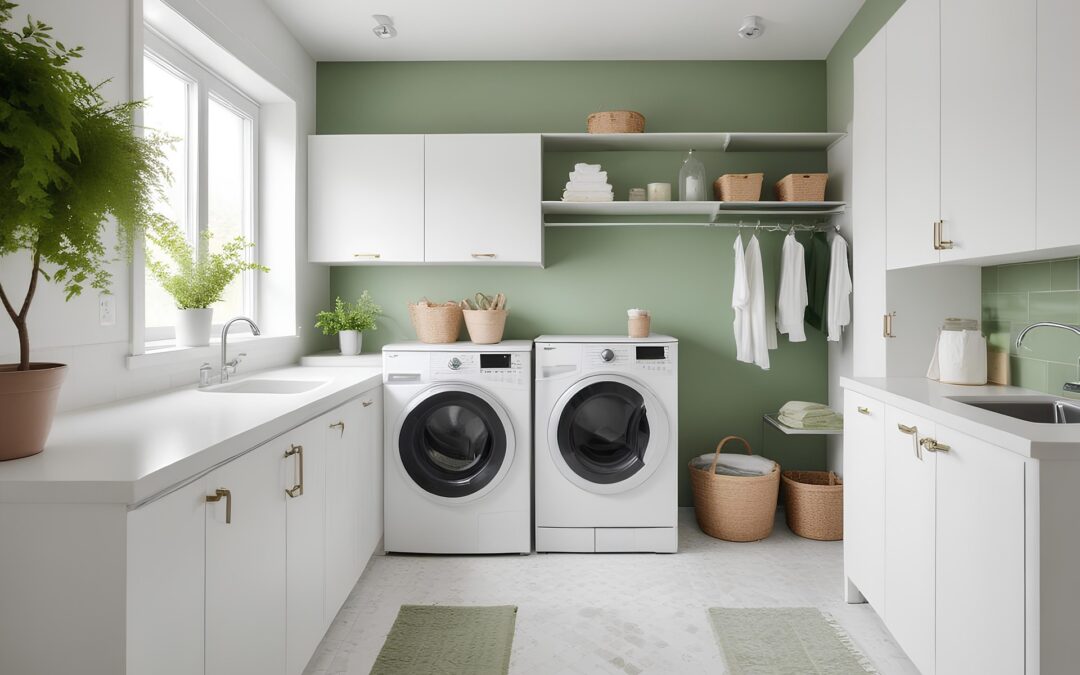
- Verdict: Add immediately ✅ – Why: Parking is essential. Tenants will pay premium for guaranteed spot. – Tri-county data: 95% of tenants value dedicated parking; 80% will pay premium In-Unit Washer/Dryer – Upfront cost: $1,200–$1,800 – Monthly rent premium: +$50$75 – Payback period: 20–30 months – Maintenance: $200–$400/year (repairs, service
calls) – Verdict: Add if you plan to hold property 3+ years ✅ – Why: High-use amenity; solves a major problem (laundry trips). – Tri-county data: 90% of tenants value in-unit laundry; 70% will pay premium
Outdoor Space (Yard, Patio, Balcony) – Upfront cost: $0–$2,000 (patio furniture, landscaping) – Monthly rent premium: +$25–$50 – Payback period: 40–80 months (but often included in property) – Maintenance: $50–$200/year (landscaping, repairs) –
Verdict: Maintain what you have; don’t build new ✅ – Why: Tenants value outdoor space, but construction cost is high. – Tri-county data: 85% of tenants use outdoor space regularly; 75% will pay premium
Air Conditioning – Upfront cost: $3,000–$5,000 (installation) – Monthly rent premium: + $20–$30 – Payback period: 100–250 months (long, but often essential) – Maintenance:
$200–$400/year – Verdict: Add in hot climates; essential in Midwest ✅ – Why: Nonnegotiable for summer comfort; vacancy killer without it. – Tri-county data: 95% of tenants expect AC; 60% will pay premium for it
Upgraded Kitchen (Granite, Stainless Steel, New Appliances) – Upfront cost: $2,500–$5,000 – Monthly rent premium: +$30–$50 – Payback period: 50–167 months Maintenance: $200–$500/year – Verdict: Add during major renovations; don’t
retrofit ✅ – Why: Kitchen is the most-used room; upgrades are visible and appreciated. – Tri-county data: 80% of tenants value upgraded kitchen; 65% will pay premium
Hardwood Floors – Upfront cost: $2,000–$4,000 (installation) – Monthly rent premium: +$25–$50 – Payback period: 40–160 months – Maintenance: $100–$300/year
(refinishing, repairs) – Verdict: Add during major renovations; don’t retrofit ✅ Why: Aesthetic appeal; easier to clean than carpet; lasts longer. – Tri-county data: 75% of tenants prefer hardwood; 60% will pay premium
TIER 2: Medium-ROI Amenities (Add Selectively)
Dishwasher – Upfront cost: $400–$800 – Monthly rent premium: +$15–$25 – Payback period: 16–53 months – Maintenance: $100–$200/year – Verdict: Add if you’re already
renovating kitchen ⚠ – Why: Nice to have, but not essential. Payback is moderate. Tri-county data: 70% of tenants value dishwasher; 50% will pay premium Updated Bathroom (New fixtures, tile, vanity) – Upfront cost: $1,500–$3,000 Monthly rent premium: +$15–$25 – Payback period: 60–200 months – Maintenance: $100–$300/year – Verdict: Add during major renovations only ⚠ – Why: Bathroom is visible but used less frequently than kitchen. – Tri-county data: 70% of tenants value updated bathroom; 50% will pay premium
Pet-Friendly Policy (with yard/amenities) – Upfront cost: $500–$2,000 (fencing, pet amenities, signage) – Monthly rent premium: +$35/month + $35/month pet rent Payback period: 14–57 months – Maintenance: $200–$500/year (yard repair, pest
control) – Verdict: Add if you have yard space ⚠ – Why: Pet owners will pay premium; attracts 40% more applicants. – Tri-county data: 50% of tenants have pets; 80% of pet owners will pay premium
Smart Home Features (Smart locks, thermostats, lighting) – Upfront cost: $1,000$3,000 – Monthly rent premium: +$0–$15 – Payback period: 67–∞ (often never pays back) – Maintenance: $100–$300/year (tech support, updates, repairs) – Verdict: Add
only if you’re tech-savvy and can support it ⚠ – Why: Trendy but not essential; low payback; high maintenance. – Tri-county data: 40% of tenants value smart home; 20% will pay premium
TIER 3: Low-ROI Amenities (Avoid These)
Fitness Center – Upfront cost: $10,000–$20,000 – Monthly rent premium: +$0–$10 Payback period: 1,000–∞ (never pays back) – Maintenance: $4,000–$6,000/year Verdict: Don’t add ❌ – Why: Used by 10–20% of tenants; high maintenance cost; liability risk. – Tri-county data: Only 15% of tenants use fitness center regularly; 5% will pay a premium
Community Lounge/Clubhouse – Upfront cost: $5,000–$15,000 – Monthly rent premium: +$0–$5 – Payback period: 1,000–∞ (never pays back) – Maintenance: $2,000$4,000/year – Verdict: Don’t add ❌ – Why: Used by 5–10% of tenants; high maintenance; attracts problems (noise, damage). – Tri-county data: Only 8% of tenants use the community lounge; 2% will pay premium
Rooftop Deck/Pool – Upfront cost: $15,000–$50,000 – Monthly rent premium: +$0–$10 – Payback period: 1,500–∞ (never pays back) – Maintenance: $3,000–$8,000/year (cleaning, repairs, liability insurance) – Verdict: Don’t add ❌ – Why: Used by 5–15% of tenants; massive liability; seasonal use only. – Tri-county data: Only 10% of tenants use pool/deck; 3% will pay premium Community Garden – Upfront cost: $2,000–$5,000 – Monthly rent premium: +$0/month
- Payback period: ∞ (never pays back) – Maintenance: $500–$1,000/year – Verdict: Don’t add ❌ – Why: Used by 2–5% of tenants; zero rent premium; high maintenance.
- Tri-county data: Only 3% of tenants use community garden; 0% will pay premium Concierge Service – Upfront cost: $0 (outsourced) – Monthly rent premium: +$0–$10 Payback period: ∞ (never pays back) – Maintenance: $500–$2,000/month (service fees)
- Verdict: Don’t add ❌ – Why: Used by 5–10% of tenants; high ongoing cost; low rent premium. – Tri-county data: Only 7% of tenants use concierge; 2% will pay premium Elevator – Upfront cost: $20,000–$50,000 – Monthly rent premium: +$20–$30 (only on upper floors) – Payback period: 667–2,500 months (never pays back) – Maintenance: $2,000–$4,000/year – Verdict: Don’t add (unless building is 4+ stories) ❌ – Why: Massive upfront cost; only benefits upper-floor tenants; high maintenance. – Tri-county data: Elevators are expected in 4+ story buildings; not a premium amenity
Real-World Examples: Amenities That Worked (and Didn’t)
Example 1: The Parking Success (Tier 1)
Property: 12-unit apartment building in Okemos Problem: High vacancy (6 weeks average); tenants complained about limited parking Solution: Added 12 dedicated parking spots (striping, signage) Cost: $2,000 total ($0 per unit) Rent premium: +$75/month per unit Results: – Vacancy reduced from 6 weeks to 2 weeks – Rent premium: $75 × 12 units = $900/month – Annual revenue: $10,800 – Annual cost: $200 (maintenance, restriping) Annual profit: $10,600 – Payback period: 0.2 months (immediate) Lesson: Parking is essential. Solve parking problems and you solve vacancy problems.
Example 2: The Fitness Center Failure (Tier 3)
Property: 24-unit apartment building in Lansing Assumption: “Fitness center will attract young professionals and justify higher rent”
Investment: $18,000 (equipment, installation) Expected rent premium: +$50/month per unit = $1,200/month
Actual results after 1 year: – Rent premium: +$0/month (tenants didn’t care) – Usage rate: 12% of tenants (3 out of 24) – Maintenance cost: $5,400/year (equipment service, cleaning, utilities) – Tenant complaints: Noise, equipment damage, liability concerns Annual loss: $5,400
5-year total loss: $18,000 + ($5,400 × 5) = $45,000 Lesson: Don’t assume tenants will pay for amenities they don’t use. Fitness centers are a money pit.
Example 3: The In-Unit Washer/Dryer Success (Tier 1)
Property: 8-unit townhome complex in DeWitt Problem: Tenants complained about shared laundry; high turnover
Solution: Added in-unit washer/dryer to 4 units (test) Cost: $1,500 per unit = $6,000 total
Rent premium: +$60/month per unit Results after 2 years: – Rent premium: $60 × 4 units = $240/month – Annual revenue: $2,880 – Annual maintenance: $400/year (repairs, service calls) – Annual profit: $2,480 Payback period: 2.4 years – Tenant retention: 100% (vs. 70% without washer/dryer)
Decision: Added washer/dryer to remaining 4 units Lesson: In-unit laundry is a high-ROI amenity. Tenants will pay for convenience and stay longer.
Example 4: The Smart Home Experiment (Tier 2)
Property: 6-unit building in Haslett Assumption: “Smart locks and thermostats will attract tech-savvy young professionals”
Investment: $2,400 total ($400 per unit for smart locks, thermostats) Expected rent premium: +$25/month per unit = $150/month
Actual results after 1 year: – Rent premium: +$10/month per unit (only tech-savvy tenants paid premium) – Usage rate: 40% of tenants used smart features regularly Maintenance cost: $600/year (tech support, updates, repairs, lock batteries) – Tenant complaints: Connectivity issues, difficulty using features, privacy concerns – Annual loss: $240 (revenue $120 – maintenance $600 + tech support)
Lesson: Smart home features are trendy but not essential. Low payback; high maintenance. Skip it unless you’re tech-savvy.
Example 5: The Pet-Friendly Pivot (Tier 2)
Property: 10-unit building with yard in Grand Ledge Problem: Moderate vacancy (4 weeks); wanted to differentiate
Solution: Made building pet-friendly; added fenced yard, pet waste stations Cost: $1,500 (fencing, signage, waste stations)
Rent premium: +$35/month + $35/month pet rent Results after 1 year: – Pet rent revenue: $35 × 4 pet owners = $140/month – Base rent premium: +$35 × 10 units = $350/month (all tenants valued pet-friendly policy) – Total monthly revenue: $490 – Annual maintenance: $400/year (yard repair, pest control) Vacancy reduced from 4 weeks to 2 weeks (saved $1,200 in lost rent) – Annual profit: $5,280 + $1,200 (vacancy savings) = $6,480 – Payback period: 0.23 years (3 months)
Lesson: Pet-friendly policy attracts more applicants and reduces vacancy. Excellent ROI.
The Simply Live Amenity Strategy
Here’s exactly how we evaluate and implement amenities across 158 properties.
Step 1: Identify Tenant Pain Points
Action: Survey tenants and analyze complaints Questions: – What’s your biggest complaint about this property? – What amenity would make you more likely to renew? – What would you pay extra for?
Our data (2025): – #1 complaint: Parking (35% of tenants) – #2 complaint: Laundry (25% of tenants) – #3 complaint: Outdoor space (20% of tenants) – #4 complaint: Climate control (15% of tenants) – #5 complaint: Kitchen/bathroom condition (12% of tenants)
Step 2: Calculate ROI Before Investing
Formula: – Upfront cost ÷ Monthly rent premium = Payback period – If payback > 3 years: Don’t add – If payback < 2 years: Add immediately – If payback 2–3 years: Add only if tenant tenure is 3+ years
Example calculation: – Amenity: In-unit washer/dryer – Upfront cost: $1,500 – Monthly rent premium: +$60 – Payback: $1,500 ÷ $60 = 25 months (2 years) – Decision: Add
✅
Step 3: Test Before Full Rollout
Action: Add amenity to 1–2 properties; measure results Metrics: – Actual rent premium (vs. projected) – Tenant usage rate – Maintenance cost (vs. projected) – Vacancy impact – Tenant satisfaction
Example: – Test in-unit washer/dryer in 2 properties – Measure for 6–12 months – If successful, roll out to remaining properties – If unsuccessful, stop and cut losses
Step 4: Track Long-Term ROI
Action: Monitor amenity performance annually Metrics: – Total revenue generated (rent premium + vacancy reduction) – Total cost (maintenance, repairs, utilities) – Net profit – Payback period (actual vs. projected) Tenant satisfaction Our 2025 data: – In-unit washer/dryer: $2,480/year profit per unit ✅ – Dedicated parking: $10,600/year profit per building ✅ – Pet-friendly policy: $6,480/year profit per building ✅ – Upgraded kitchen: $360/year profit per unit ✅ – Fitness center: $5,400/year loss per building ❌ – Community lounge: -$2,400/year loss per building ❌
The Amenity Decision Tree
Use this framework to decide whether to add an amenity.
Question 1: Will 50%+ of tenants use it regularly?
Yes: Continue to Question 2 No: Don’t add (low-ROI amenity)
Question 2: Will it generate $25+/month rent premium?
Yes: Continue to Question 3 No: Don’t add (low payback)
Question 3: Is payback period < 3 years?
Yes: Continue to Question 4 No: Don’t add (too long to pay back)
Question 4: Is annual maintenance < 20% of annual revenue?
Yes: Add the amenity ✅ No: Don’t add (maintenance costs too high)
Key Takeaways: Which Amenities Actually Work
- Parking is king Dedicated parking solves a major problem and generates immediate ROI. Add it. 2. In-unit laundry is gold High-use amenity; 2-year payback; increases tenant retention. Add it if you plan to hold property 3+ years.
- Outdoor space is valuable Tenants will pay for yard, patio, or balcony. Maintain what you have; don’t build new.
- Kitchen and bathroom upgrades work Visible, high-use spaces. Add during major renovations (not retrofits).
- Air conditioning is essential Non-negotiable in Midwest. Vacancy killer without it.
- Fitness centers lose money Used by 10–20% of tenants; high maintenance; never pays back. Avoid.
- Community amenities are money pits Lounges, gardens, pools, decks—used by 5–15% of tenants; high maintenance; zero rent premium. Avoid.
- Smart home features are trendy but not essential Low payback; high maintenance; low tenant adoption. Skip unless you’re tech-savvy.
- Pet-friendly policies attract tenants Reduces vacancy; generates pet rent revenue; excellent ROI. Add if you have yard space.
- Test before full rollout Add amenity to 1–2 properties first. Measure results. Scale only if successful.
The Bottom Line
The best amenities solve real problems and generate positive ROI.
Parking solves the parking problem. In-unit laundry solves the laundry problem. Outdoor space solves the outdoor space problem.
The worst amenities are “nice to have” features that sound good but generate zero rent premium and high maintenance costs.
Fitness centers, community lounges, and rooftop pools look impressive in marketing materials. But they lose money.
Before you add any amenity, ask yourself: – Will 50%+ of tenants use it? – Will it generate $25+/month rent premium? – Will it pay back in < 3 years? – Is maintenance < 20% of revenue? If the answer to all four is yes, add it. If the answer to any is no, skip it. That’s how you maximize rental income without wasting money on amenities tenants don’t care about.
Amenity decisions are some of the most expensive mistakes property owners make. If you’re unsure whether an amenity makes financial sense for your property, we offer free 20-minute consultations that include ROI analysis, tenant preference data, and implementation recommendations. Our cost is your cost—transparent guidance backed by 19 years of data and 158 properties managed.
Recent Comments